
ISO Certifications for Marine and Offshore Industries
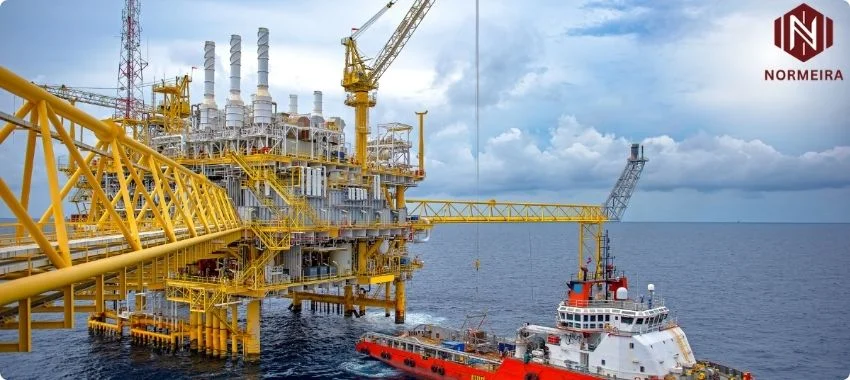
The marine and offshore industry is a cornerstone of global trade, energy production, and infrastructure development. It includes critical operations such as shipping, offshore oil and gas exploration, marine construction, port services, and offshore renewable energy projects. These activities are often carried out in challenging and high-risk environments, where strict compliance with international standards is essential. From deep-sea drilling platforms to busy shipping routes, even a small operational failure can lead to severe consequences, including environmental damage, financial losses, and safety hazards.
Implementing ISO certifications for marine and offshore industries ensures organizations operate with maximum efficiency, safety, and compliance, meeting both regulatory and client expectations worldwide.
Why ISO Certification is Essential for Marine & Offshore Operations?
In today's competitive global market, ISO certification is more than a requirement—it is a business enabler.
Key Benefits:
- Global Recognition & Trust- Certification from an EIAC-accredited body like NORMEIRA ensures international acceptance and credibility.
- Improved Safety Performance- Reduces workplace incidents and enhances offshore safety culture.
- Regulatory Compliance- Aligns with international maritime laws and environmental regulations.
- Operational Excellence- Streamlines processes and improves efficiency across operations.
- Access to High-Value Contracts- Many oil & gas companies require ISO certification as a pre-qualification.
- Environmental Protection- Helps reduce environmental impact in sensitive marine ecosystems.
Key ISO Standards for Marine and Offshore Industries
Marine and Offshore companies benefits from following ISO standards:
- ISO 9001- Ensures consistent quality in operations, improving customer satisfaction and operational performance.
- ISO 14001- Supports environmental protection by reducing pollution, managing waste.
- ISO 45001- Focuses on minimizing workplace risks and ensuring safe operations for workers.
- ISO 22301- Prepares organizations to respond effectively to disruptions, ensuring continuity of critical operations.
- ISO 29001- Designed specifically for the oil and gas industry to enhance quality and risk management in upstream and downstream activities.
Industries Covered Under Marine & Offshore Certification
- Offshore Oil & Gas Companies
- Shipping & Logistics Companies
- Marine Construction & Engineering Firms
- Port Authorities & Terminal Operators
- Offshore Renewable Energy Projects
- Subsea & Marine Service Providers
Why Choose NORMEIRA
NORMEIRA provides independent certification and assessment services for organisations across different industries. Our audits are planned according to your business activities, operational risks, workforce, locations, and applicable standard requirements. Our top Chracteristics are:- Independent certification body with an impartial audit approach
- Competent auditors selected according to the relevant standard and industry
- Clear and structured certification process
- Support for single and integrated management system certification
- Suitable for small businesses, growing companies, and large organisations
- Focus on credible certification, compliance, and continual improvement
FAQs
Trusted ISO Certification Body for Business Excellence