
ISO Certifications for Medical Equipment Manufacturers & Suppliers
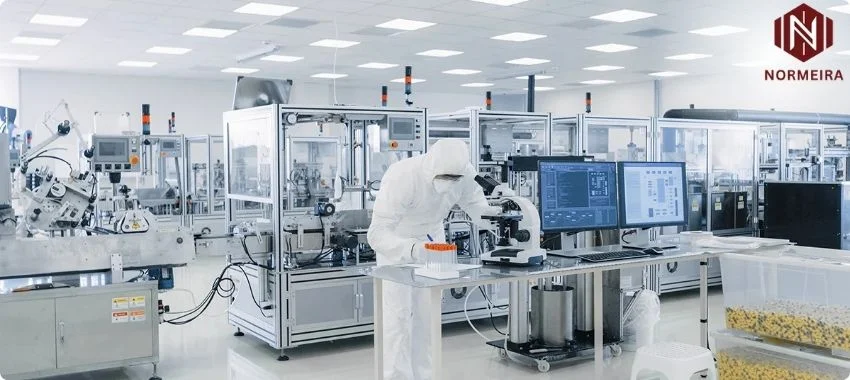
The medical equipment industry is a cornerstone of modern healthcare. Hospitals, clinics, laboratories, and diagnostic centers depend on medical devices to save lives, monitor patient health, and improve treatment outcomes. From surgical instruments and diagnostic imaging systems to wearable health devices and laboratory equipment, every medical device must meet stringent safety, quality, and regulatory standards.
ISO certifications ensure that medical device manufacturers and suppliers comply with internationally recognized standards, helping organizations demonstrate their commitment to quality, safety, and global market readiness. Whether you manufacture Class I, II, or III medical devices, or manage distribution, ISO certification enhances credibility and builds trust with healthcare providers, patients, and regulators.ent, distribution management, or post-market surveillance, the ISO certifications enhance your credibility in the market and promote confidence in your patients.
The Importance of ISO Certification in Medical Equipment
Medical devices directly affect patient safety, making adherence to quality and regulatory standards essential. ISO certification is frequently required to access markets in the EU, USA, GCC, and other regions.
- Ensures consistent product quality and safety
- Reduces defects, recalls, and waste through effective quality control
- Enhances product traceability and reliability
- Supports compliance with global regulations such as EU MDR, US FDA, and SFDA
- Improves operational efficiency and process management
- Strengthens risk management and decision-making
- Builds trust and credibility with customers and stakeholders
ISO certification also helps companies pass audits, secure licenses, and establish strong business partnerships worldwide.
ISO Standards for Medical Equipment Companies
Medical device organizations often implement multiple following ISO standards:
- ISO 13485 for Medical Devices Quality Management System
- ISO 14971 for Risk Management for Medical Devices
- ISO 9001 for Quality Management System
- ISO 14001 for Environmental Management System
- ISO 45001 for Occupational Health & Safety Management
How ISO Certification Supports Global Market Access?
ISO certification acts as a gateway to international markets. Benefits include:
- Compliance with import/export and regulatory requirements
- Streamlined approval processes in regulated regions
- Competitive advantage over non-certified competitors
- Increased customer confidence and brand reputation
Certified companies can enter global markets with confidence, demonstrating that their medical devices meet internationally recognized quality and safety standards.
Why Choose NORMEIRA
NORMEIRA provides independent certification and assessment services for organisations across different industries. Our audits are planned according to your business activities, operational risks, workforce, locations, and applicable standard requirements. Our top Chracteristics are:- Independent certification body with an impartial audit approach
- Competent auditors selected according to the relevant standard and industry
- Clear and structured certification process
- Support for single and integrated management system certification
- Suitable for small businesses, growing companies, and large organisations
- Focus on credible certification, compliance, and continual improvement
FAQs
Trusted ISO Certification Body for Business Excellence