
ISO Certification for the Automotive Industry
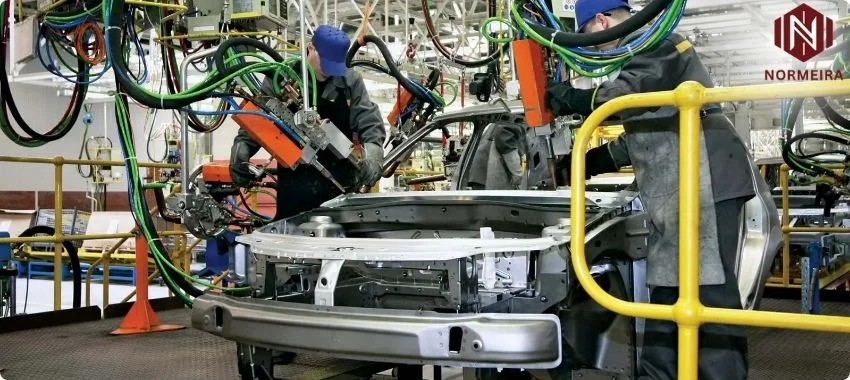
The automotive industry is a rapidly evolving and economically significant sector, encompassing the design, manufacturing, and marketing of vehicles, components, and advanced systems. With the rise of smart technologies, electric vehicles, and stringent safety requirements, automotive companies must comply with international standards to ensure performance, reliability, and market access.
NORMEIRA provides globally recognized certifications and inspections to help automotive companies enhance quality, safety, and regulatory compliance. From E-Mark certification for European markets to automotive technology and sales certifications, NORMEIRA empowers businesses to meet international expectations efficiently.
Why ISO and Automotive Certification Matter
Certification in the automotive sector is more than a regulatory requirement—it's a competitive advantage. Key benefits include:
- Enhanced safety and compliance- Ensures vehicles and components meet global safety standards
- Quality assurance- Maintains high-quality manufacturing and assembly processes
- Environmental responsibility – Supports compliance with CO₂ emission targets and sustainable practices
- Global market access- Facilitates entry into international markets with trusted certification marks
Benefits of Automotive Certification
Automotive certification provides measurable advantages for manufacturers, suppliers, and service providers:
- Improved environmental sustainability and emission control
- Higher efficiency in production and operations
- Increased customer confidence in vehicles and components
- Compliance with international regulations and standards
- Strengthened market credibility and competitive positioning
Which standards are applied on Automotive sector
It can get benifts from the Following certifications:- ISO 9001:2015- A global quality management standard that improves product reliability, operational efficiency, and customer satisfaction
- ISO 14001:2015- Focuses on environmental management, helping companies reduce their ecological footprint and meet sustainability goals
- ISO 45001:2018- Establishes occupational health and safety protocols, ensuring a secure work environment in manufacturing and service facilit
Who Should Get Certified?
NORMEIRA's certification services are ideal for:
- Vehicle and component manufacturers
- OEMs and Tier 1 & 2 suppliers
- Automotive assembly and testing facilities
- Service centres and repair workshops
- Importers/exporters requiring E-Mark certification
Why Choose NORMEIRA
NORMEIRA provides independent certification and assessment services for organisations across different industries. Our audits are planned according to your business activities, operational risks, workforce, locations, and applicable standard requirements. Our top Chracteristics are:- Independent certification body with an impartial audit approach
- Competent auditors selected according to the relevant standard and industry
- Clear and structured certification process
- Support for single and integrated management system certification
- Suitable for small businesses, growing companies, and large organisations
- Focus on credible certification, compliance, and continual improvement
FAQs
Trusted ISO Certification Body for Business Excellence