
Industrial Waste Management: 12 Practical Ways to Reduce Waste in Manufacturing
Every manufacturing business depends on raw materials, energy, water, equipment, and skilled workers to produce quality products. However, every production process also creates waste. While some waste is unavoidable, a significant portion results from inefficient operations, poor planning, outdated equipment, or improper handling of materials.
Industrial waste is more than an environmental issue. It directly affects production costs, profitability, operational efficiency, and business sustainability. Every kilogram of wasted material represents money that has already been spent but failed to generate value.
Across industries, organizations are looking for practical ways to improve productivity while reducing their environmental impact. Better industrial waste management not only protects natural resources but also helps businesses lower operating costs, improve resource efficiency, strengthen their reputation, and prepare for changing environmental expectations.
This guide explains what industrial waste is, why it matters, and practical strategies that manufacturers and industrial organizations can use to reduce waste without compromising productivity or product quality.
What Is Industrial Waste?
Industrial waste refers to any unwanted material produced during manufacturing, processing, construction, maintenance, or industrial operations. It includes both hazardous and non-hazardous materials that are no longer useful in their current form. Depending on the industry, industrial waste may include:
- Metal scrap
- Plastic offcuts
- Paper and cardboard
- Packaging materials
- Chemical residues
- Wastewater
- Used oils and lubricants
- Electronic waste
- Construction debris
- Food processing by-products
- Textile waste
- Glass and ceramic waste
Every industry produces waste differently. For example, a food manufacturer may generate organic waste, while a steel fabrication plant produces metal scrap. Although the types of waste vary, the objective remains the same: reduce waste at its source whenever possible.
12 Practical Ways to Reduce Industrial Waste
1. Identify Where Waste Is Being Generated
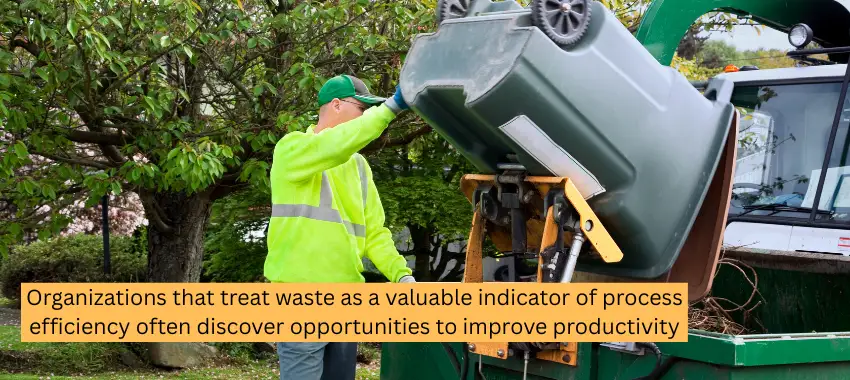
The first step in improving industrial waste management is understanding where waste originates. Many organizations focus only on disposing of waste instead of finding out why it is being produced.
Conducting a waste assessment helps businesses identify:
- Processes that generate excessive scrap
- Materials that are frequently damaged
- Areas with high energy or water consumption
- Packaging waste
- Production defects
- Overstocked inventory
Once these issues are identified, businesses can prioritize improvements based on the areas with the greatest impact.
2. Improve Inventory Management
Poor inventory management is one of the most common causes of industrial waste. Ordering excessive quantities of raw materials may seem like a way to avoid shortages, but it often leads to damaged, expired, or obsolete stock.
Better inventory practices include:
- Forecasting demand more accurately
- Purchasing materials based on production schedules
- Rotating stock using the First-In, First-Out (FIFO) method
- Monitoring slow-moving inventory
- Storing materials under suitable conditions
Efficient inventory management not only reduces waste but also frees up valuable warehouse space and improves cash flow.
3. Reduce Material Loss During Production
Even highly efficient production lines experience some level of material loss. However, regular monitoring helps businesses identify unnecessary waste before it becomes a larger problem.
Manufacturers can reduce material loss by:
- Optimizing machine settings
- Improving cutting patterns
- Standardizing production methods
- Using automated measuring systems
- Monitoring production quality in real time
Small improvements made across multiple production stages often result in substantial savings over the course of a year.
4. Invest in Preventive Equipment Maintenance
Machines that are not maintained properly tend to produce more waste. Poorly calibrated equipment can create defective products, increase material consumption, and reduce production efficiency.
Preventive maintenance helps by:
- Reducing equipment failures
- Improving production accuracy
- Extending machine life
- Lowering energy consumption
- Reducing scrap materials
Scheduling maintenance before equipment problems occur is usually more cost-effective than dealing with production interruptions later.
5. Train Employees to Reduce Waste
Employees play an essential role in industrial waste management because they work directly with materials, machinery, and production processes. Regular training helps employees:
- Handle raw materials correctly
- Prevent accidental damage
- Separate recyclable materials
- Report equipment issues early
- Follow standard operating procedures
- Identify opportunities for process improvement
Organizations that encourage employees to share improvement ideas often discover practical solutions that management may not notice.
6. Separate Waste at the Source
Mixing different types of waste makes recycling more difficult and often increases disposal costs. Instead, businesses should separate waste as it is generated. Typical categories include:
- Metal
- Plastic
- Paper
- Cardboard
- Glass
- Organic waste
- Electronic waste
- Hazardous materials
Proper waste segregation improves recycling rates while reducing contamination between different waste streams.
7. Increase Recycling and Material Recovery
Many industrial materials still have value after their initial use. Instead of sending everything to landfill, organizations should identify opportunities to recover and recycle materials wherever practical.
Examples include:
- Recycling metal scrap
- Reusing wooden pallets
- Recovering packaging materials
- Reprocessing plastic waste
- Returning reusable containers to suppliers
Material recovery not only reduces environmental impact but also lowers the demand for new raw materials.
8. Use Resources More Efficiently
Industrial waste is not limited to physical materials. Excessive use of electricity, fuel, compressed air, or water also represents wasted resources. Businesses can improve resource efficiency by:
- Repairing water leaks quickly
- Switching to energy-efficient equipment
- Monitoring utility consumption
- Optimizing production schedules
- Turning off idle machinery
Lower resource consumption benefits both the environment and the organization's operating budget.
9. Work with Environmentally Responsible Suppliers
Waste reduction starts long before raw materials arrive at the factory. Businesses should work with suppliers that:
- Use recyclable packaging
- Deliver materials in suitable quantities
- Reduce unnecessary packaging
- Supply consistent product quality
- Support environmentally responsible practices
Strong supplier relationships help reduce waste throughout the entire supply chain.
10. Apply Lean Manufacturing Principles
Lean manufacturing focuses on creating value while eliminating activities that do not contribute to the final product. Common forms of waste identified in lean manufacturing include:
- Overproduction
- Waiting time
- Unnecessary transportation
- Excess inventory
- Unnecessary movement
- Product defects
- Over processing
By continuously improving production processes, businesses can reduce waste while increasing productivity and customer satisfaction.
11. Follow the Waste Hierarchy
One of the most effective approaches to industrial waste management is the waste hierarchy. Rather than focusing only on disposal, the waste hierarchy encourages businesses to prioritize waste prevention. The hierarchy follows this order:
- Prevent waste
- Reduce waste
- Reuse materials
- Recycle materials
- Recover value where possible
- Dispose of waste responsibly
The higher an organization operates within the hierarchy, the greater the environmental and financial benefits it can achieve.
12. Review and Improve Continuously
Waste reduction is not a one-time project. Successful organizations review their environmental performance regularly and look for opportunities to improve.Continuous improvement may include:
- Monitoring waste generation
- Setting measurable objectives
- Reviewing production performance
- Updating procedures
- Investing in better technologies
- Learning from employee feedback
Even small improvements made consistently can produce significant long-term results.
How ISO 14001 Supports Industrial Waste Management
ISO 14001 is the world's leading standard for Environmental Management Systems. Rather than prescribing specific waste reduction methods, the standard provides a systematic framework that helps organizations continually improve environmental performance. ISO 14001 encourages businesses to:
- Identify environmental aspects and impacts
- Establish environmental objectives
- Reduce pollution
- Improve waste management
- Monitor environmental performance
- Meet compliance obligations
- Conduct internal audits
- Continually improve the Environmental Management System
Organizations implementing ISO 14001certification in UAE often identify opportunities to reduce waste that were previously overlooked. To learn more about ISO 14001:2015 Certification, talk to our expert Auditor right away!
FAQs
Trusted ISO Certification Body for Business Excellence